

Finding a budgeting method that feels intuitive and sustainable can make a significant difference in how easily you save money. The 50/30/20 rule offers a simple, flexible structure that brings clarity to your finances without feeling restrictive. By dividing your income into clear categories, it becomes easier to understand where your money goes and how to prioritize what matters most. With a steady routine, the 50/30/20 method can become a reliable path toward financial stability.
What the 50/30/20 Rule Really Means
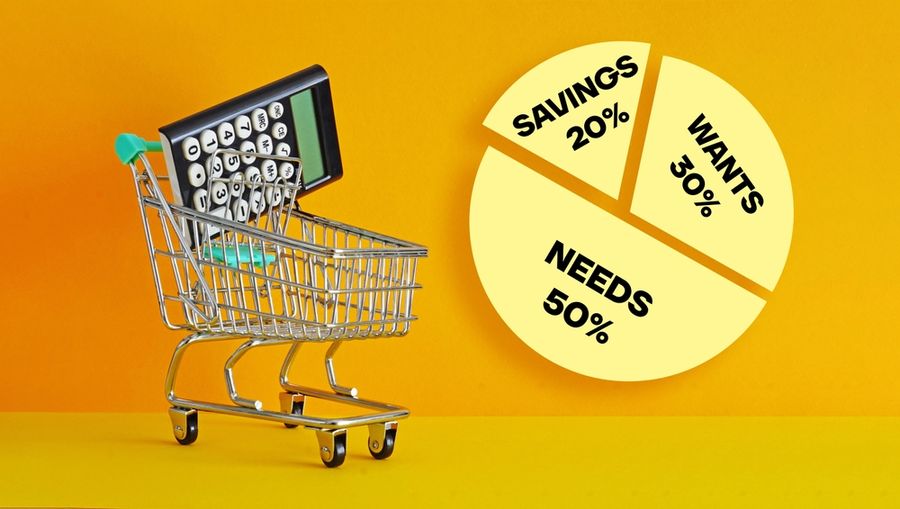
The 50/30/20 rule divides your take-home income into three categories: 50% for needs, 30% for wants, and 20% for savings and debt repayment. This structure creates a balanced approach to money management that emphasizes both stability and flexibility. Needs represent the essentials required for daily life, while wants allow room for enjoyment. The final portion ensures your future financial goals continue to grow.
This method is especially appealing because it removes guesswork. You don’t have to track dozens of categories or restrict yourself to complicated systems. Instead, you simply allocate each portion of your income to its designated use. Over time, this balance encourages healthier habits and increased financial awareness.
Defining Needs vs. Wants
Distinguishing between needs and wants is essential for using the 50/30/20 rule effectively. Needs include non-negotiable expenses such as housing, utilities, groceries, health insurance, transportation, and minimum debt payments. These costs support your day-to-day well-being and cannot be skipped. Keeping this category to around 50% ensures you maintain stability without overextending yourself.
Wants, on the other hand, include discretionary choices like dining out, entertainment, travel, hobbies, and subscriptions. These purchases add comfort and enjoyment but are not essential for basic living. Allocating 30% to wants allows you to enjoy life while still maintaining financial discipline. Understanding the distinction helps guide mindful spending and keeps your budget aligned with your goals.
Why This Method Works for Many People
The 50/30/20 rule succeeds because it balances structure with flexibility. It doesn’t require rigid tracking of every dollar, yet it offers enough guidance to help you make informed decisions. People who feel overwhelmed by complex budgeting systems often find this method refreshing. It focuses on big-picture awareness rather than micromanaging every expense.
Another key benefit is how naturally it supports savings growth. By reserving 20% of your income for savings and debt reduction, progress becomes built into your monthly routine. Even if your income fluctuates, the percentages adjust with it. This makes the method adaptable and sustainable over long periods of time.
How to Get Started With the 50/30/20 Breakdown
Begin by calculating your monthly take-home pay (that’s the amount after taxes and deductions). Then, allocate half of that total toward essential expenses. If your needs exceed 50%, look for ways to gradually reduce costs or adjust your lifestyle. Once your needs are covered, direct 30% toward discretionary spending and 20% toward savings and debt repayment.
Tracking your progress for the first few months can help you understand where adjustments may be needed. Budgeting tools or simple spreadsheets make it easy to see your spending categories at a glance. As you continue, the process becomes second nature. The goal isn’t perfection; it’s consistency and awareness.
Adjusting the Rule to Fit Your Lifestyle
While the 50/30/20 rule provides helpful guidelines, it can easily be tailored to fit your personal situation. Some people prefer to save more aggressively and shift the percentages to 40/20/40, especially if preparing for major goals like buying a home. Others may allocate more to needs in high-cost living areas. The beauty of the method lies in its adaptability.
As long as the general structure remains, the rule can guide your decisions without feeling restrictive. Reviewing your budget every few months ensures the system stays aligned with your financial priorities. Flexible adjustments help maintain long-term sustainability and keep your savings growing without strain.
Benefits That Extend Beyond Saving
Using this method does more than build savings—it improves financial confidence. Understanding your spending categories helps reduce stress and prevent surprises. It can also make conversations about money easier, whether with partners, family members, or financial advisors. This clarity supports better decision-making in both daily choices and long-term planning.
Additionally, the structure encourages mindful spending. When you intentionally separate needs from wants, your choices become more purposeful. This can naturally lead to reduced impulse spending and greater satisfaction with the purchases you do make. Over time, these habits contribute to a more secure and fulfilling financial life.
Building Momentum That Lasts
The 50/30/20 rule turns budgeting into a clear, approachable routine that grows stronger with time. As you refine your categories and develop awareness, saving becomes easier and more consistent.
Each month brings progress toward your goals, whether you’re reducing debt, building an emergency fund, or preparing for future milestones. With a balanced approach and steady commitment, this method can support a more confident and organized financial journey.