

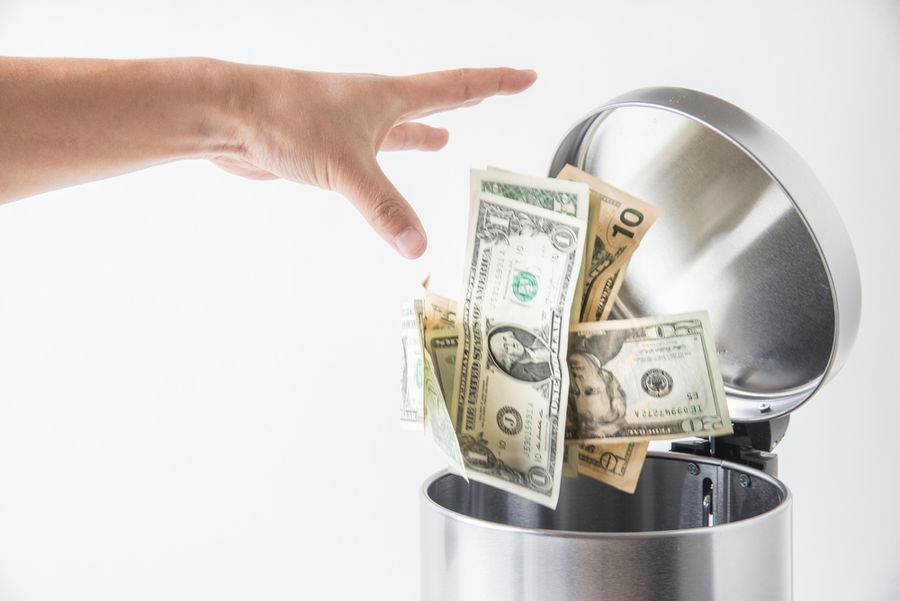
Small everyday expenses often slip under the radar, quietly shrinking savings without drawing much attention. A few dollars here and there may seem harmless, but over time, hidden costs can disrupt financial progress. Recognizing where money is unintentionally leaking creates opportunities to take back control. Once the patterns become clear, simple adjustments can lead to meaningful improvements. With awareness and consistency, protecting your savings becomes far more achievable and far less overwhelming.
Lifestyle Inflation and Everyday Upgrades
Lifestyle inflation happens when spending increases alongside income. It often begins subtly—choosing nicer meals, upgrading everyday items, or treating yourself more often simply because you can. These choices feel rewarding, but they gradually increase your baseline expenses. As a result, saving becomes harder even when you earn more. Recognizing this pattern is an important step in reversing the trend.
The key is striking a balance between enjoying your income and maintaining financial discipline. Intentional spending helps determine which upgrades truly enhance your life and which ones are habits formed out of convenience. By keeping lifestyle inflation in check, you open more room in your budget for savings, investments, and long-term goals.
Unused or Forgotten Subscriptions
Subscription services can be helpful, but they also sneak into monthly budgets unnoticed. Streaming platforms, apps, digital tools, and membership programs often renew automatically. Over time, you may forget about the ones you no longer use. Even small monthly fees add up quickly when multiplied across several subscriptions. Reviewing them regularly helps prevent unnecessary spending.
A good strategy is to conduct a subscription audit every few months. Evaluate what you actually use and cancel anything that no longer adds value. Some services allow you to pause instead of cancel, which can be helpful for seasonal use. Being intentional with recurring payments ensures your money supports your priorities rather than slipping away unnoticed.
Bank Fees and Account Charges
Bank fees are easy to overlook because they often occur quietly in the background. Charges for overdrafts, account maintenance, ATM withdrawals, or insufficient funds may seem minor, but they add up over time. Many people don’t realize how frequently these fees occur until they review their statements closely. Avoiding them can instantly free up extra savings.
Choosing accounts with fewer fees or setting up alerts to avoid overdrafts can make a big difference. Some banks offer fee-free accounts or reimburse ATM charges, making them more budget-friendly options. By paying attention to the fine print and monitoring transactions, you can keep more of your money where it belongs—supporting your financial goals.
Impulse Purchases and Unplanned Spending
Impulse purchases often feel small and harmless, but they are one of the most common drains on savings. Grabbing a coffee, picking up a sale item, or making a spontaneous online purchase can add up quickly when done frequently. These moments usually happen without much thought, making them difficult to track and control. Becoming more aware of your triggers can help minimize the impact.
One helpful approach is giving yourself a waiting period before making non-essential purchases. Even a 24-hour pause can stop unnecessary spending. Creating a budget allowance for small indulgences also helps maintain balance without eliminating enjoyment. When impulsive habits shift toward intentional spending, savings naturally grow stronger.
High Utility Costs and Everyday Inefficiencies
Energy, water, and internet costs can creep upward without warning. Leaving lights on, running appliances inefficiently, or using outdated equipment can all contribute to higher bills. Many households accept rising utility costs without realizing how many controllable factors play a role. Small adjustments can lead to significant annual savings.
Simple actions, like switching to LED bulbs, reducing water waste, or using programmable thermostats, can help lower monthly bills. Reviewing service plans may also uncover better rates or promotional offers. Being proactive with utilities creates long-term savings that support your financial goals without drastically changing your lifestyle.
Fees From Late Payments or Missed Deadlines
Late payment fees may be some of the most frustrating drains on savings because they are completely avoidable. Forgetting a due date or misplacing a bill can lead to unnecessary charges and potential credit score damage. Over time, these fees accumulate and take away funds that could instead grow your emergency fund or support other priorities.
Setting up automatic payments or digital reminders helps prevent missed deadlines. Many service providers also offer grace periods or flexible payment options if you communicate early. Reducing these avoidable expenses strengthens your overall financial habits and protects your budget from unnecessary setbacks.
Reclaiming Control of Your Money
Spotting hidden expenses creates a powerful shift in your financial awareness. As you uncover patterns and make intentional adjustments, savings begin to grow more naturally.
Small tweaks, like canceling unused subscriptions, avoiding late fees, or limiting impulse purchases, can create meaningful progress over time. Protecting your finances becomes far more manageable when you understand where your money is going and take steps to direct it with purpose.