

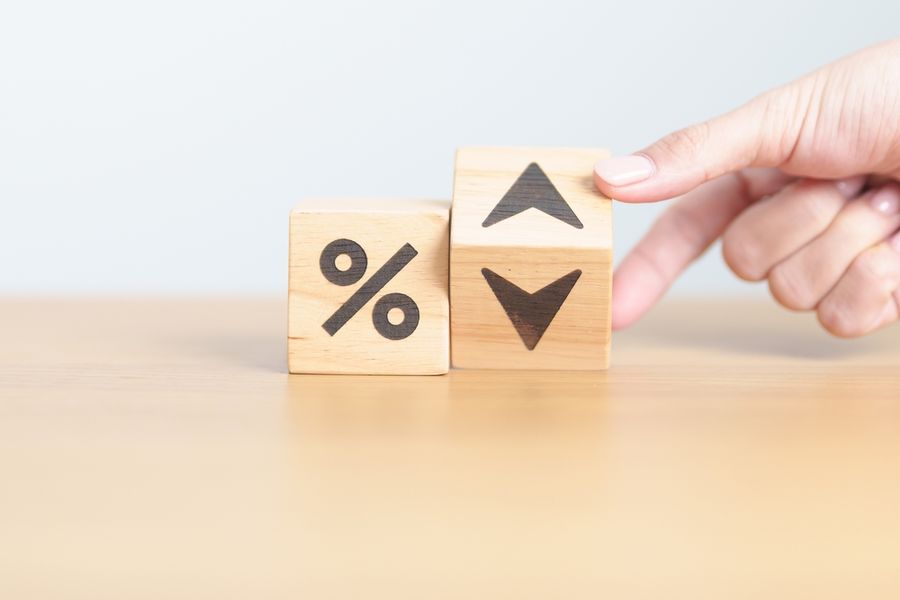
Interest rates play a powerful role in shaping the cost of borrowing, yet many people only notice them when a payment increases or a loan becomes harder to afford. Understanding how rates work can make everyday financial decisions feel clearer and more manageable. A small percentage change may seem insignificant, but it can dramatically influence long-term costs. With a little knowledge, borrowers can make more confident choices that support financial stability and long-term goals.
What Interest Rates Really Represent
Interest rates represent the price of borrowing money. When a lender offers a loan, credit card, or line of credit, the rate determines how much extra you’ll pay over time. Even though rates appear as simple percentages, they reflect complex factors such as risk, market conditions, and economic trends. Knowing what goes into these numbers helps borrowers make sense of the costs they face.
At their core, interest rates protect lenders while allowing borrowers access to funds they may not have upfront. When rates are low, borrowing becomes more affordable, opening opportunities for major purchases or consolidating debt. When rates rise, loans become more expensive, making it essential to evaluate whether borrowing is worth the added cost.
The Difference Between Fixed and Variable Rates
Borrowers often choose between fixed and variable interest rates, and understanding the distinction can prevent future surprises. A fixed rate stays the same throughout the life of the loan, offering stability and predictable monthly payments. This consistency helps with long-term budgeting and provides peace of mind, especially for mortgages or long-term loans.
Variable rates fluctuate based on market indicators, which means monthly payments can rise or fall. While a variable rate can start lower than a fixed option, increased market rates may raise overall costs. Borrowers who choose variable rates must be comfortable with potential changes. Knowing your financial tolerance can help determine which type of rate is the best fit.
How Interest Rates Affect Monthly Payments
Small rate differences can create noticeable changes in monthly payments. When interest rates rise, borrowers often pay more each month even if the loan amount stays the same. This can strain a budget or delay financial goals such as saving or investing. Understanding how rates translate into actual payment amounts encourages smarter planning before agreeing to a loan.
On the other hand, lower rates reduce the overall cost of borrowing. This can free up money for other priorities or make larger purchases feel more attainable. Comparing loan offers side by side helps highlight how much an interest rate truly impacts affordability. A single percentage point can change the financial landscape more than many people expect.
The Long-Term Impact on Total Loan Cost
Interest rates don’t just affect monthly payments—they influence the entire cost of a loan over time. Even a modest rate difference can lead to thousands of dollars in additional expenses across the loan’s lifespan. This is especially true for long-term commitments like mortgages, student loans, or large personal loans. Borrowers who understand this impact can weigh borrowing decisions more thoughtfully.
Choosing a lower rate or refinancing when conditions improve can significantly reduce long-term financial strain. Paying attention to rates isn’t just about short-term savings; it’s about protecting your future budget. With a clear understanding of how interest accumulates, borrowers can prioritize strategies that limit unnecessary costs.
How Credit Scores Influence Interest Rates
Lenders rely heavily on credit scores when determining interest rates. A strong credit score signals reliability, which often results in lower borrowing costs. High scores reassure lenders that the borrower is likely to repay on time, reducing their risk. Lower-risk borrowers generally receive the most favorable terms, which can lead to substantial savings.
For borrowers with lower credit scores, interest rates tend to rise. This reflects the additional risk the lender takes on. Improving credit health through on-time payments, lower credit utilization, and consistent financial habits can open the door to better rates. Over time, even small improvements in credit can lead to more affordable borrowing opportunities.
Why Comparing Rates Matters
Comparing interest rates across lenders can reveal meaningful differences. Each lender evaluates risk through its own criteria, which can produce a wide range of rate offers. Taking time to explore multiple options helps ensure you’re not paying more than necessary. It also gives borrowers leverage when negotiating terms or asking for competitive offers.
Tools like rate comparison sites or prequalification checks make this step easier than ever. By looking at several offers side by side, borrowers can avoid assumptions and make fully informed decisions. Rate shopping doesn’t just save money—it empowers borrowers to choose the lending partner that best supports their long-term financial goals.
Making Borrowing Decisions With Clarity
Understanding interest rates turns borrowing from an uncertain experience into a more informed one. When you recognize how rates affect payments, long-term costs, and overall financial comfort, decisions become easier to navigate.
Building awareness around how lenders set rates and how personal credit influences options can create more confidence. With thoughtful preparation, borrowers can choose loans that truly support their financial well-being.